
Two-player strategy games have a unique way of bringing friends and rivals together, blending intellect and competition like peanut butter and jelly. Imagine sitting across the table or in a virtual realm, facing off against someone while engaging in a thrilling battle of wits. Whether it’s a war of strategy or a cunning display of resource management, these games are where friendships are forged, and sometimes strained. Let’s jump into the exciting world of two-player strategy games, where every move counts and every decision could lead to sweet victory or devastating defeat.
What Are Strategy Games?
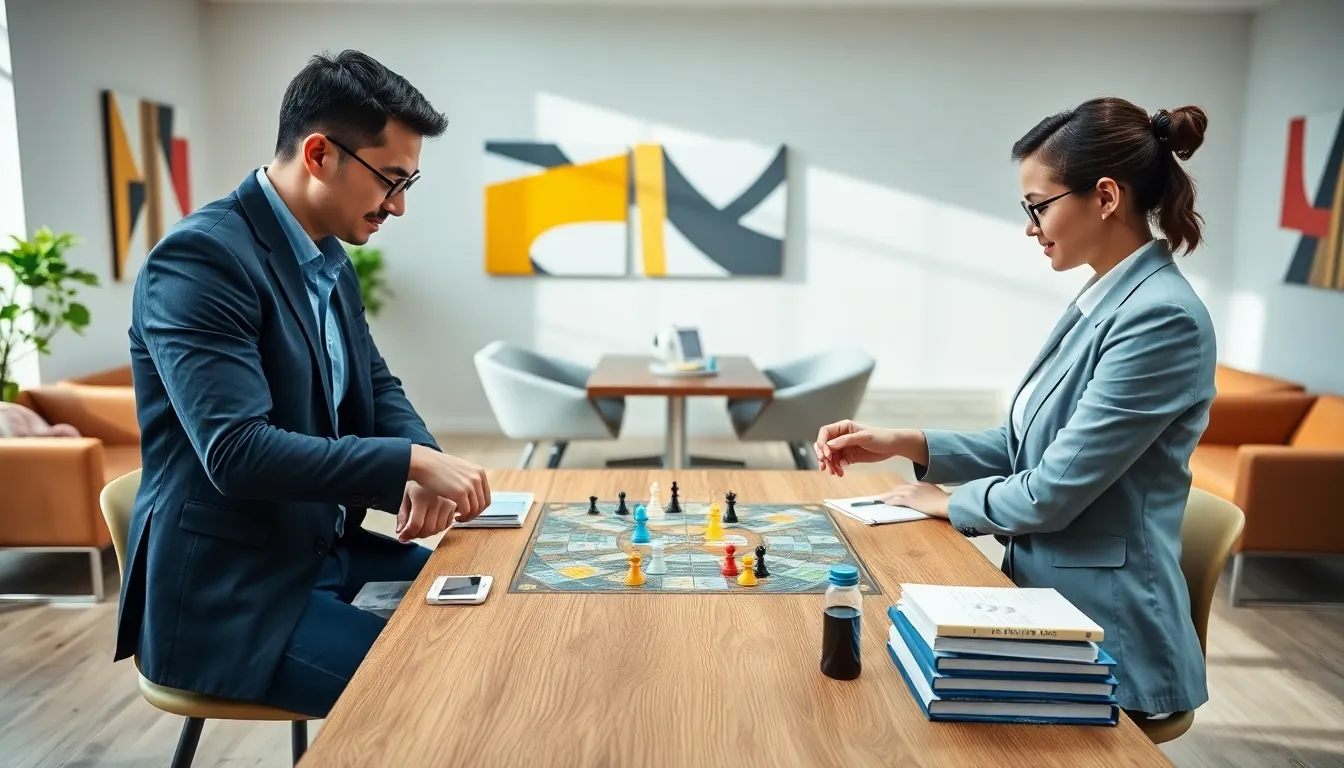
Strategy games are a dynamic category of games that require players to use planning and skill to outmaneuver opponents. These games often revolve around resource management, tactical positioning, and creative problem-solving. Unlike games that rely solely on luck, strategy games challenge players to think several steps ahead, turning every match into a mental chess game. Some might think of chess or checkers as the quintessential strategic confrontations, but the genre extends far beyond the classics. From expansive board games to immersive video experiences, the essence remains the same: craft a plan, counter your opponent’s moves, and conquer the day.
In strategy games, players typically have to weigh their choices, strategize their actions, and anticipate their opponent’s reactions. This results in a rich tapestry of interactions that make every game session distinctly different, ensuring players come back for more. It’s like a tango of tactics, where you lead, follow, and occasionally step on toes, only to smile and play on as you devise your next move.
The Appeal of 2 Player Strategy Games
Why do people flock to two-player strategy games like moths to a flame? The answer lies in the allure of competition and camaraderie. Engaging with one other player creates an intimate excitement that adds a layer of intensity that multiplayer games often lack. With just one opponent, each move feels more personal, every victory sweeter, and every defeat more poignant.
Also, the back-and-forth dynamic of two-player matches enhances the gaming experience. It ignites a spark of rivalry, making players invest emotionally in their strategies. Whether sharing laughter over a miscalculated move or mutual groans over an unexpected twist, these games forge bonds that extend beyond the tabletop or screen. They are perfect for players who enjoy not just the thrill of winning but also the joy of competing with someone they know.
Also, the beauty of two-player strategy games is their ability to cater to diverse tastes. From those who relish intense tactical battles to those who prefer casual, fun gameplay, there’s something for everyone. It’s no wonder that these games have stuck around, persevering through different eras and trends.
Top 2 Player Strategy Games
Classic Strategy Games
When it comes to classic strategy games, timeless options reign supreme. Consider chess, a game steeped in history that embodies strategic depth and hands-on competition. It’s all about anticipating your opponent’s moves while plotting your own. Jump into the realm of checkers as well, where the straightforward rules mask the strategic complexity beneath the surface. Players might begin casually but soon find themselves deep in thoughtful concentration, contemplating whether to leap, block, or set a trap.
Another classic example is Go. This ancient board game from China is deceptively simple yet requires immense skill for mastering the art of territory control. Players place stones on a grid while attempting to surround their opponent’s pieces. A single game of Go can last for hours, but the lasting satisfaction of outsmarting an opponent is well worth the investment.
Modern Strategy Games
Now, let’s explore some modern picks that have captured the hearts of gamers everywhere. Catan, for instance, mixes strategy and resource management beautifully, as players build settlements and trade resources effectively. The escalate of competition as longer games unfold provides a rollercoaster of emotions.
Then there’s Chess.com, a platform allowing easy access to chess against a global pool of players, making strategy gaming both modern and thrilling. Another popular title, Twilight Struggle, immerses players in the Cold War era, putting their strategic minds to the test as they vie for global influence while managing regional conflicts. Each of these games appeals to different preferences, ensuring there’s a modern classic that’ll resonate.
Board Games vs. Video Games
The debate between board games and video games is as heated as a summer day in the desert. Each medium brings unique strengths and challenges to the table. Board games invite players to interact face-to-face, fostering social connections. The tactile experience of moving pieces, rolling dice, and making physical trades is irreplaceable. There’s something charming about gathering around a table armed with snacks and good humor.
On the flip side, video games offer immersive graphics and complex mechanics that can create world-building experiences impossible for traditional board games to achieve. With digital platforms, players can enjoy strategy games from anywhere, introducing features like vast maps and real-time updates. Plus, let’s be honest, sometimes you don’t want to set up a game and can easily get a quick thrill with a few clicks.
Eventually, the choice boils down to personal preference and what mood strikes. Some may enjoy the deep focus of a board game, while others might prefer the fast-paced nature that video games often deliver. And why not enjoy the best of both worlds? Many modern tabletop games are finding ways to incorporate technology to enhance gameplay, creating blended experiences that cater to varied tastes.
Tips for Choosing the Right Game
Selecting the perfect two-player strategy game can be as challenging as strategizing the game itself. Here are a few straightforward tips to consider:
- Know Your Audience: Gauge your partner’s gaming interests. Are they competitive or casual? This will help narrow down the options and ensure mutual enjoyment.
- Consider Time Commitment: Different games require varying lengths of time to play. If your sessions are often spontaneous, opt for games that can be completed in 30 minutes to an hour. But, if you’re in for a longer engagement, look for deeper narratives or complex strategies.
- Game Complexity: Assess your comfort level with complexity. Some players thrive on intricate mechanics, while others may prefer simpler, more accessible games. Choose accordingly to avoid frustration or boredom.
- Trial and Error: Don’t be afraid to experiment. Sometimes, you won’t know what kind of game you enjoy until you try it. Borrow games from friends or local libraries before making a purchase.
- Stay Open-Minded: Explore both new titles and old classics. There’s a whole world of innovation in strategic gameplay that blurs traditional lines and presents fresh challenges.