Table of Contents
ToggleImagine diving into a world where puzzles don’t just sit quietly on a shelf but instead nestle within each other like a family of Russian dolls. Nested puzzle systems offer a delightful twist on traditional puzzles, challenging both the mind and the imagination. They’re not just games; they’re brain workouts disguised as fun!
Overview of Nested Puzzle Systems
Nested puzzle systems consist of several puzzles that fit inside one another, creating a multi-layered challenge. Each layer presents a unique difficulty, engaging users at varying skill levels. More than mere entertainment, these puzzles stimulate cognitive functions and encourage problem-solving abilities.
Participants explore different strategies while unraveling each layer. They often face critical thinking tasks that demand both creativity and logic. Puzzle enthusiasts appreciate the satisfaction of completing each layer, enhancing their overall experience.
Products like Russian dolls exemplify the structure of nested puzzles. Each doll conceals a smaller counterpart, demonstrating the concept effectively. Such designs not only captivate users but also provoke curiosity about the next challenge hidden within.
In educational settings, nested puzzles find applications in teaching problem-solving skills and logical reasoning. Instructors utilize these puzzles to foster engagement and promote critical thinking among students. Structuring lessons around nested puzzles can enhance retention and make learning enjoyable.
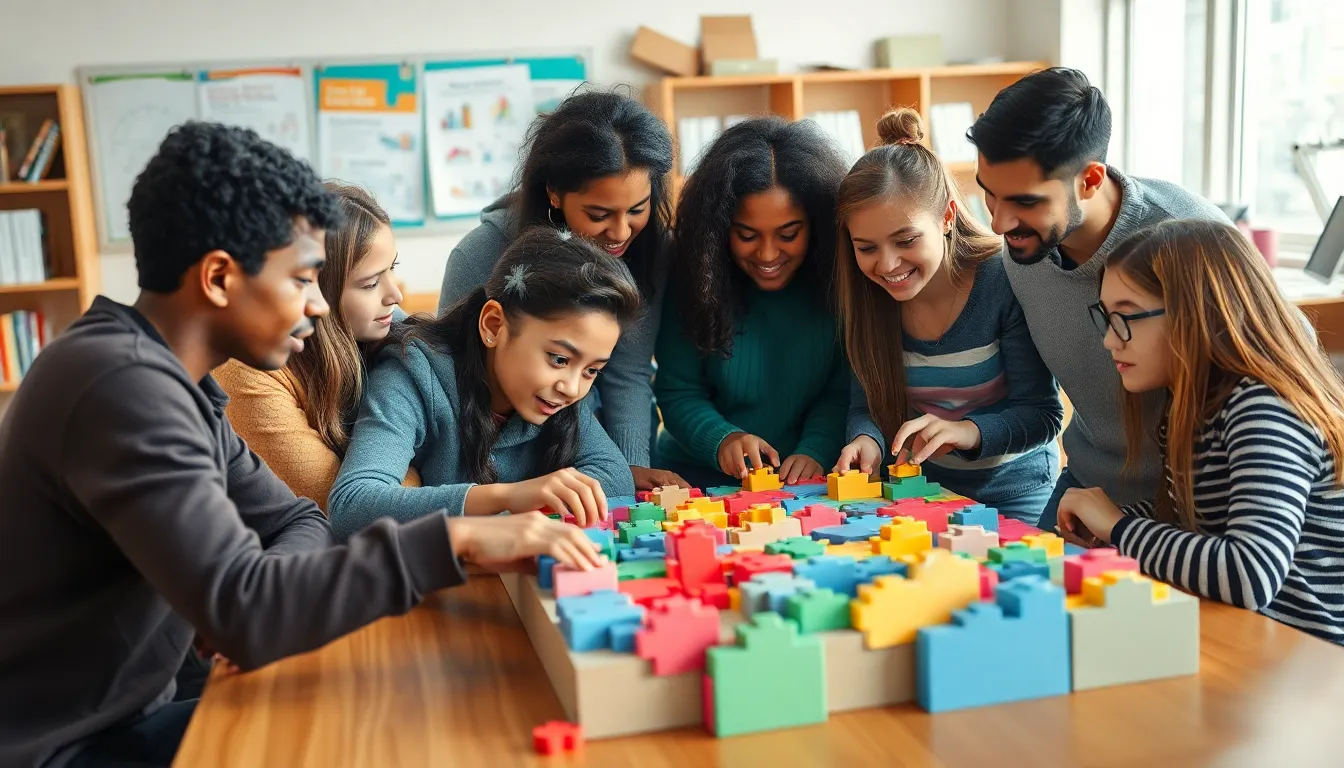
Communities often form around nested puzzle systems, fostering collaboration and competition. Enthusiasts share insights, solutions, and experiences, creating a rich landscape for discussion. This interaction adds depth to the experience, as users learn from one another and discover various approaches to solving puzzles.
Overall, nested puzzle systems serve as impactful tools for mental engagement and community building. Their intricate design and varying layers ensure a captivating experience for those who encounter them.
Key Features of Nested Puzzle Systems
Nested puzzle systems showcase distinct characteristics that elevate them beyond traditional puzzles. These features contribute to an engaging and challenging experience.
Complexity and Challenge
Complexity varies across layers in nested puzzle systems. Each layer challenges participants with unique puzzles that require different strategies. Users encounter increasing difficulty, which prevents monotony and keeps them invested. A layered approach encourages them to think critically while navigating through various puzzles. Players refine their problem-solving skills as they progress, making the experience both stimulating and rewarding. Nested puzzles create an environment where individuals can embrace challenges and enhance cognitive abilities.
Design and Structure
Design plays a crucial role in the appeal of nested puzzle systems. Each puzzle features an intricate structure that fits seamlessly within larger counterparts. This visual allure captivates participants and invites exploration. The thoughtful arrangement of pieces fosters curiosity about what lies within each layer. Effective design enhances user experience by combining aesthetics with functionality. Functionality extends beyond mere appearance; it also influences the puzzle’s challenge level. The harmonious balance of design and structure contributes to an engaging and immersive experience for all who participate.
Applications of Nested Puzzle Systems
Nested puzzle systems find application in various domains, enhancing engagement and cognitive development. Their versatility allows them to transcend simple entertainment, serving educational and recreational purposes effectively.
Educational Uses
Nested puzzles play a vital role in education. They facilitate the development of critical thinking and problem-solving skills in students. Teachers incorporate these puzzles into lesson plans, using them to challenge students’ analytical abilities. Engaging layers of complexity stimulate curiosity, encouraging exploration and creativity. Groups of students often collaborate to tackle the puzzles, fostering teamwork and communication. Research supports that such activities enhance cognitive function, making learning more interactive and enjoyable. Educational institutions widely utilize products like Russian dolls to illustrate logical reasoning concepts, ensuring students remain engaged while learning.
Entertainment and Gaming
Entertainment industries leverage nested puzzle systems to captivate audiences. Puzzle-based games often incorporate multi-layered challenges, appealing to players looking for intellectual stimulation. Designers create intricate storylines around these puzzles, enhancing user experience. Players enjoy the satisfaction of unveiling hidden layers, which adds an exciting dimension to gameplay. Community events and competitions often arise around these puzzles, bringing enthusiasts together to share strategies and solutions. Emerging technologies create virtual versions of nested puzzles, making them accessible to a broader audience. The blend of entertainment and cognitive challenge maintains the popularity of these puzzles in gaming circles.
Benefits of Nested Puzzle Systems
Nested puzzle systems offer numerous advantages that enhance cognitive skills and provide engaging activities. Mental stimulation emerges as a primary benefit, where each layer challenges users to think critically and develop problem-solving abilities. Multiple levels of complexity cater to diverse skill sets, ensuring everyone finds a suitable challenge.
In educational settings, these puzzles facilitate learning by promoting logical reasoning. Students gain experience as they interact with different strategies, fostering analytical thinking. Collaboration among peers often occurs, leading to improved teamwork and communication skills.
Moreover, the appealing design of nested puzzles captivates attention and encourages exploration. Intricate arrangements draw users in, making the experience immersive and engaging. Many find satisfaction in uncovering hidden layers, which nurtures curiosity and persistence.
Community engagement thrives around nested puzzle systems, as enthusiasts connect to share solutions and insights. This social aspect enriches the overall experience, creating a supportive environment for both newcomers and seasoned players. Games featuring these puzzles often attract audiences, enhancing participation through competitions and events.
Accessibility also increases with the integration of technology. Virtual versions simplify access while expanding the audience. Combining entertainment with cognitive tasks ensures that nested puzzle systems remain popular across various domains, blending functionality with enjoyment seamlessly.
Challenges and Considerations
Nested puzzle systems present several challenges that participants and facilitators must navigate. Complexity can escalate quickly, with puzzles often requiring advanced problem-solving skills. Facilitators need to calibrate challenge levels to align with participants’ abilities, preventing frustration or boredom during the experience.
Time constraints pose another significant consideration. Participants may struggle to complete intricate puzzles within limited timeframes, which can impact group dynamics and overall enjoyment. Educators using these systems must balance instructional goals against the time allocated for puzzle activities.
Participants might also experience cognitive overload when faced with numerous layers of challenges. Striking a balance between engagement and overwhelm is vital. Offering clear instructions and incremental guidance helps avoid confusion.
Creating a supportive environment enhances the experience as well. Participants benefit from collaboration, sharing insights and strategies with peers. This fosters communication skills and enriches learning, albeit facilitators should monitor group dynamics to ensure inclusivity.
Accessibility proves crucial for broader participation in nested puzzle systems. Different learning styles and abilities require tailored approaches to ensure everyone can engage effectively. Designing puzzles that accommodate diverse needs maximizes participation and enjoyment.
Lastly, developing interest in nested puzzles might take effort. Marketing may necessitate highlighting the unique features and educational benefits. Demonstrating the cognitive and collaborative advantages will attract more participants.
Addressing these challenges thoughtfully enhances the effectiveness of nested puzzle systems while enriching the overall experience for users.
Nested puzzle systems offer a captivating blend of challenge and creativity that appeals to a wide audience. Their multi-layered structure not only engages users but also fosters critical thinking and problem-solving skills. As communities form around these puzzles, collaboration enhances the learning experience, making it both enjoyable and educational.
The versatility of nested puzzles extends beyond entertainment into educational settings, where they serve as effective tools for developing cognitive abilities. While challenges exist in managing complexity and accessibility, addressing these factors can elevate the overall experience. Embracing the unique features of nested puzzles ensures they remain a valuable resource for both fun and intellectual growth.