Table of Contents
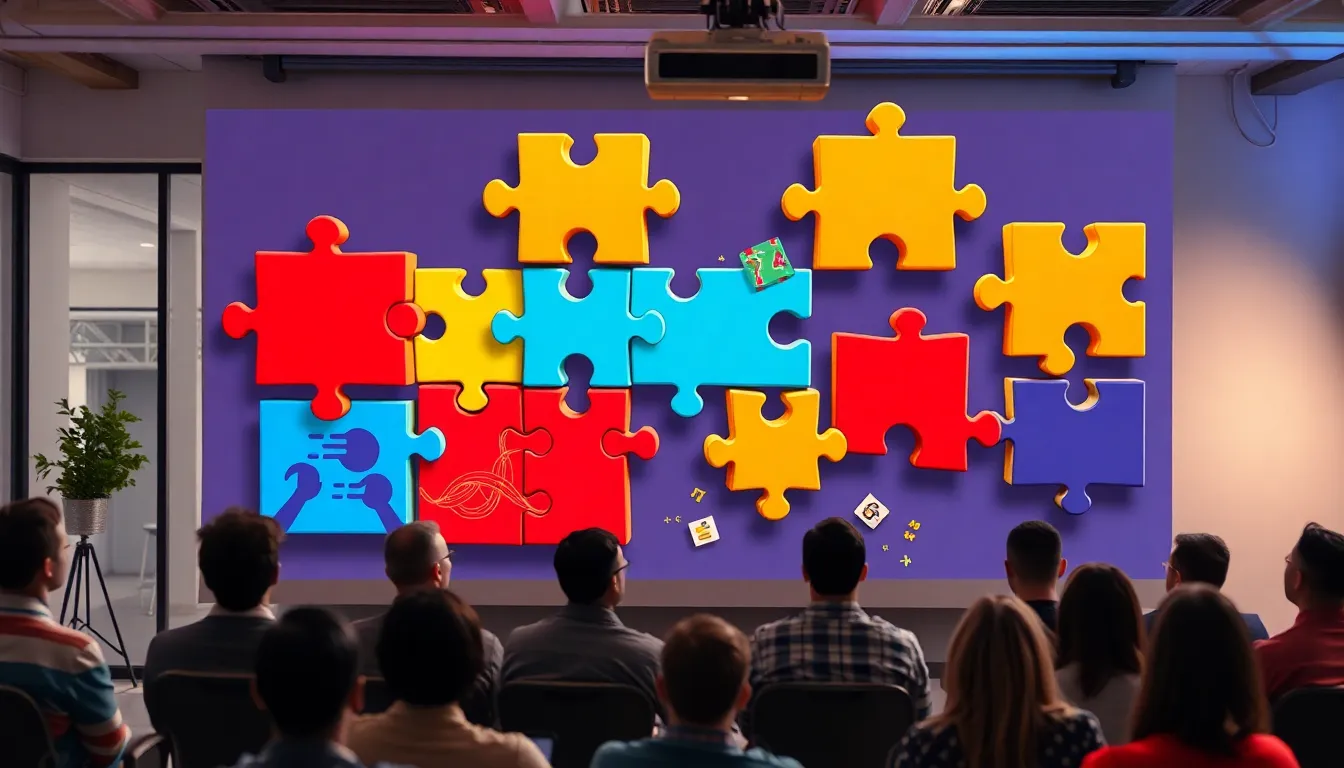
ToggleIn a world where attention spans are shorter than a cat video, grabbing your audience’s interest is no small feat. Enter animated puzzle transitions—the secret weapon that can turn a mundane presentation into a captivating visual experience. Imagine your slides coming to life as pieces fit together, revealing your message in a delightful and engaging way. It’s like a magic trick, but instead of pulling a rabbit out of a hat, you’re pulling in your viewers.
Animated puzzle transitions not only add flair but also enhance understanding by visually representing concepts. They make complex ideas feel approachable, like a friendly tour guide leading you through the labyrinth of information. So why settle for boring transitions when you can transform your content into a dynamic adventure? With a sprinkle of creativity and a dash of humor, animated puzzle transitions can elevate your storytelling and keep your audience glued to their screens.
Overview of Animated Puzzle Transitions
Animated puzzle transitions serve as a creative method to enhance visual storytelling in presentations. These transitions break down complex ideas into manageable pieces, making information easier to digest. Utilizing dynamic animations captures the audience’s attention, leading to increased engagement during the presentation.
Various types of animated puzzle transitions exist, including sliding, fading, and rotating effects. Each type adds a unique flair to the presentation, helping convey the message more effectively. Implementing these transitions provides a visual rhythm that makes the content memorable.
Designers can incorporate animated puzzle transitions to emphasize important points and structure the flow of information. Using contrasting colors and engaging graphics enhances the visual appeal, while maintaining audience interest. When applied thoughtfully, these transitions create a seamless viewing experience, encouraging viewers to follow along.
Additionally, animated puzzle transitions foster interactivity. They can prompt discussions among attendees, encouraging active participation. Effective usage involves timing these transitions to align with presentation content, ensuring that they enhance rather than distract.
Many professionals report improved audience retention by using animated puzzle transitions. Statistics show that visual elements can boost information recall by up to 65%. Organizations looking to elevate their presentations benefit significantly from incorporating these dynamic visual techniques.
Animated puzzle transitions represent a powerful tool for storytellers and presenters alike. They transform ordinary slides into engaging narratives that resonate with viewers.
Types of Animated Puzzle Transitions
Animated puzzle transitions come in various forms, each serving unique purposes to enhance presentations.
2D vs 3D Transitions
2D transitions use flat graphics that create engaging effects without depth. These often include shifts or slides that move across the screen, maintaining simplicity. Designers typically favor 2D transitions for their ease and speed in execution. In contrast, 3D transitions introduce depth and dimension, allowing objects to appear and disappear in a more immersive way. These effects can create a sense of realism, captivating audiences through movement that feels three-dimensional. Both types play distinct roles in visual storytelling, but their appropriate application can significantly impact viewer engagement.
Interactive vs Non-Interactive
Interactive transitions invite audience participation, transforming viewers from passive observers into active participants. These include clickable elements that allow users to navigate through content, enhancing engagement. Non-interactive transitions, however, operate independently of viewer input, providing a smooth flow of information. They maintain focus on key messages without requiring involvement from the audience. Both approaches can be effective, but selecting the right type depends on the presentation goals and desired audience experience.
Applications of Animated Puzzle Transitions
Animated puzzle transitions find applications in various fields, enhancing engagement and understanding. These transitions serve as effective tools in gaming and educational tools.
In Gaming
Gameplay benefits significantly from animated puzzle transitions. Developers use these transitions to create immersive experiences. Players enjoy seamless changes between scenes, which help maintain momentum. Incorporating engaging visuals into character interactions also enhances storytelling. For example, sliding puzzle transitions might signify transitions from one game level to another, maintaining player immersion and excitement. Statistics indicate that integrating dynamic visuals can improve user retention rates, making game experiences more memorable and enjoyable.
In Educational Tools
Animated puzzle transitions enhance educational tools substantially. Teachers can use these transitions to present complex concepts more clearly. By breaking down information into smaller pieces, students find lessons more digestible. Interactive animations foster engagement, encouraging active participation among learners. For instance, rotating puzzle transitions may illustrate scientific concepts or historical events, providing visual context. Research shows that visual aids improve comprehension by up to 65%, highlighting the importance of incorporating animated transitions in educational settings.
Benefits of Using Animated Puzzle Transitions
Animated puzzle transitions offer significant advantages in presentations, enhancing viewer experiences and promoting better understanding.
Enhancing User Engagement
User engagement increases through animated puzzle transitions. These dynamic visuals capture attention and sustain interest more effectively than static slides. Presenters observe that animations can lead to lively discussions, encouraging audience participation. By incorporating playful elements, speakers keep viewers focused on the content, transforming routine presentations into memorable experiences. Some data suggest that engaging visuals raise audience retention rates significantly, often by up to 65%. Enhanced engagement translates directly into improved information retention, ensuring that key points resonate long after the presentation ends.
Improving Cognitive Skills
Cognitive skills benefit from the use of animated puzzle transitions. Breaking down complex concepts into manageable segments aids information processing. Research indicates that visuals enhance comprehension, with studies showing that people recall information better when it is presented alongside dynamic imagery. Animated transitions help organize thoughts, making it easier to connect ideas. Enhanced clarity not only boosts understanding but also inspires creativity within the audience. By facilitating interaction, animated illustrations foster deeper cognitive engagement, ensuring that viewers actively participate in their learning experiences.
Animated puzzle transitions offer a captivating way to enhance presentations and storytelling. By breaking down complex ideas into engaging visuals, they not only boost audience retention but also foster interactivity and participation. Whether used in educational settings or gaming, these transitions transform ordinary content into memorable experiences.
As presenters continue to explore creative methods to engage their audiences, animated puzzle transitions stand out as a valuable tool. With the right application, they can elevate presentations from simple slideshows to dynamic narratives that resonate long after the session ends. Embracing these techniques can lead to more effective communication and a deeper connection with viewers.