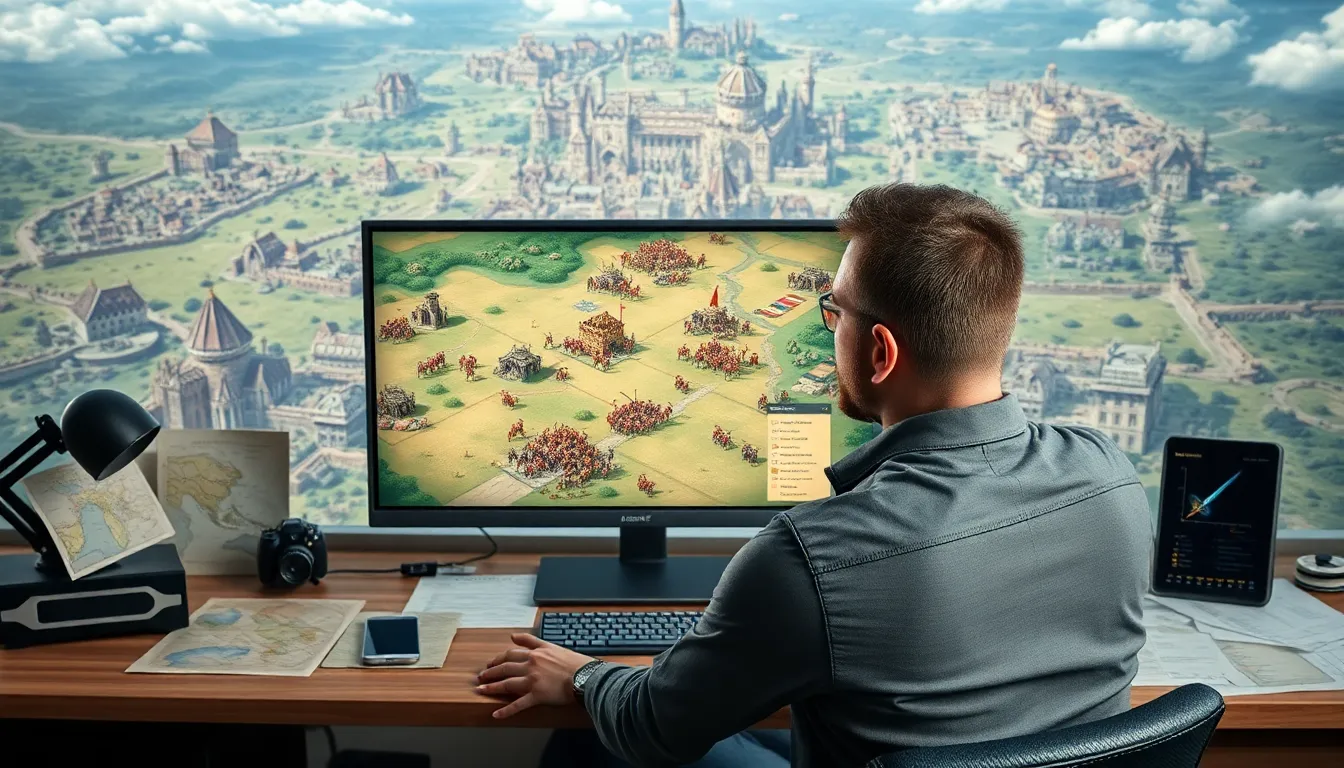
Step into the captivating world of medieval strategy games, where every move could decide the fate of kingdoms. Whether you’re plotting the downfall of a rival lord or rallying your troops for battle, these games offer a unique blend of tactical depth and historical charm. And let’s be honest, who wouldn’t want to don a virtual crown and claim their rightful place on the throne? From managing resources like a pro to engaging in epic battles, medieval strategy games are not just about conquering lands: they’re about clever maneuvering and the thrill of strategy. If you’re ready to embark on this journey, grab your sword (or mouse) and let’s immerse.
Overview of Medieval Strategy Games
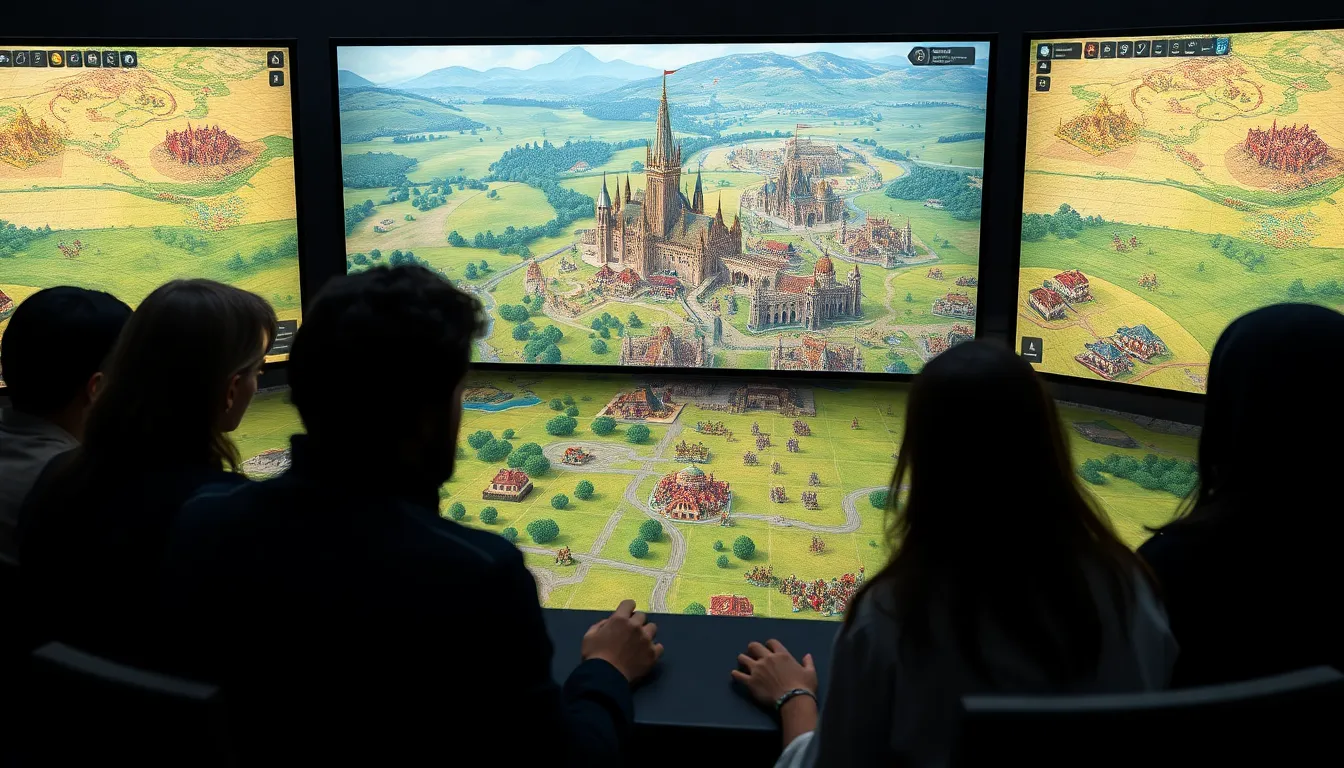
Medieval strategy games transport players back to an era characterized by knights, castles, and epic battles. These games typically focus on resource management, tactical combat, and strategic planning, allowing players to experience the complexities of ruling a kingdom. Players often grapple with various dilemmas, from optimizing their economy to ensuring their army’s readiness for a siege. The beauty of these games lies in their ability to simulate decision-making processes that leaders faced in the medieval ages, making the player feel like they’re at the helm of a grand historical narrative.
In essence, every decision matters. Whether players choose to forge alliances or go to war, the game unfolds differently based on their choices. This dynamic environment creates endless replayability, showcasing the genius behind some of the most beloved titles in the genre.
Key Features of Medieval Strategy Games
- Resource Management: At the core of these games is managing resources effectively. Players gather materials, build structures, and develop their economies, all while ensuring their armies are well-funded and equipped.
- Terrain and Map Control: A well-thought-out strategy involves understanding the geography of the land. Players leverage mountains, rivers, and forests to their advantage, crafting battle plans that can clear the path to victory.
- Historical Accuracy: Many medieval strategy games aim for a level of historical authenticity. Players might find themselves involved in real events, bolstering the game’s immersive experience.
- Diplomacy: Forming and breaking alliances add a layer of complexity. Players navigate relationships, sometimes requiring them to betray former friends in the pursuit of power.
- Battle Tactics: Engaging in combat isn’t just about strength: it’s a dance of tactics. Different troop types, formations, and strategic placements yield various outcomes in battle, making every skirmish unique and riveting.
Popular Medieval Strategy Games
- Total War Series: This iconic series blends turn-based strategy with real-time battles, offering a rich historical experience. Players command massive armies as they vie for dominance over various territories.
- Age of Empires II: A classic that has stood the test of time, Age of Empires II allows players to lead civilizations from the Dark Ages through to the Renaissance, emphasizing resource management and technological advancement.
- Crusader Kings III: This grand strategy game infuses role-playing elements, allowing players to navigate court politics, family intrigue, and wars all while developing their dynasties.
- Stronghold Series: Focused on castle-building and siege warfare, the Stronghold games combine city management with strategic combat, offering players the chance to defend or attack fortified structures.
- Bannerlord: A more recent title, Mount & Blade II: Bannerlord has captivated players with its mix of sandbox elements, allowing for both strategic battles and immersive role-play in a beautifully crafted medieval world.
Game Mechanics and Strategies
Understanding the mechanics of medieval strategy games is crucial for success. Players must not only adapt to the game’s rules but also develop a keen sense of strategic planning.
Game Mechanics
Players often encounter a plethora of mechanics, such as:
- Technology Trees: Players advance their civilizations by unlocking technologies that enhance gameplay, from improved weaponry to advanced farming techniques.
- Morale System: Troop morale can drastically affect the outcome of battles. Ensuring soldiers are well-fed, equipped, and motivated is paramount, as a demoralized unit may flee the battlefield.
- Unit Types: Awareness of different units, infantry, cavalry, archers, along with their strengths and weaknesses, is vital. Crafting diverse armies can help players counter enemy threats effectively.
Strategies
Strong strategies often involve:
- Diversification: Creating a balanced army that can handle various threats ensures versatility on the battlefield.
- Feigned Retreats: This classic tactic can lure enemies into ambushes. When executed well, it swiftly turns the tides of combat.
- Resource Allocation: Knowing when to build, expand, or save resources can dictate a player’s path to victory.
The Evolution of Medieval Strategy Games
From the earliest iterations of strategy games to the modern masterpieces of today, the evolution of medieval strategy games reflects advancements in gaming technology and player expectations.
In the late 20th century, titles like “Civilization” introduced players to strategic planning involving resource management and turn-based play, emphasizing strategic depth. As technology improved, real-time strategy mechanics emerged, such as those seen in the Total War series, which brought battles to life like never before.
The recent trend towards sandbox gameplay has allowed titles like Mount & Blade II: Bannerlord to thrive, giving players unparalleled freedom in shaping their own narratives. This shift not only highlights the growing sophistication of game design but also reflects a desire for deeper, more personalized gaming experiences in the medieval genre.
Tips for New Players
- Start Small: New players should select easier factions or scenarios to familiarize themselves with the gameplay without feeling overwhelmed.
- Learn the Basics of Resource Management: Understanding how to allocate resources efficiently can significantly enhance overall gameplay performance.
- Experiment with Different Strategies: Players should be open to trying various tactics to find what works best for their playstyle. There is immense value in learning from failures, and practice only makes perfect.
- Engage in Diplomacy: Forming alliances can provide crucial support in critical moments. Don’t shy away from making friends, even in a game focused on conquest.
- Study Your Enemy: Analyzing enemy strategies and troop types can provide insight into the best methods for engagement, leading to tactical victories.