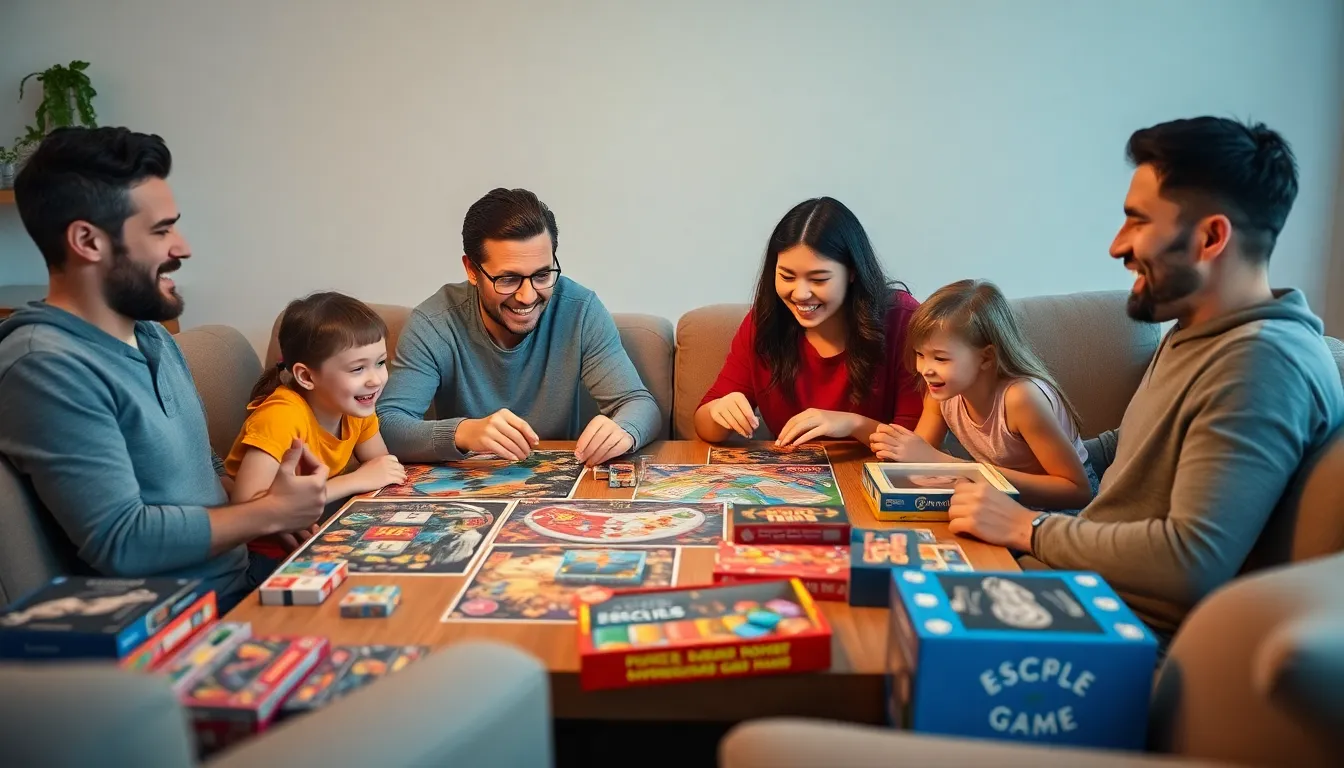
When you think of fun family nights, those games that leave friends scratching their heads while frantically furrowing their brows often come to mind. Enter the world of puzzle board games, where the challenges are many, the excitement is palpable, and the laughter is constant. These games not only stimulate the mind but also pack a hefty dose of entertainment. In a world full of distractions, who could resist the allure of unraveling mysteries while enjoying time with loved ones? Get ready to jump into the colorful universe of puzzle board games and discover why they should be on your game shelf.
What Are Puzzle Board Games?

Puzzle board games stand out as a unique genre in the vast gaming landscape. Essentially, these are games focused on solving challenges, often involving logic, pattern recognition, and critical thinking. They can manifest in various formats, from classic jigsaw puzzles to intricate narrative-driven games where players need to piece together clues to unlock further stages of play. The beauty of these games lies in their versatility: some require intense collaboration, while others promote healthy competition among players. Simply put, puzzle board games invite players into an engaging quest that tickles both their neurons and their imaginations.
The Benefits of Playing Puzzle Board Games
Engaging in puzzle board games offers a treasure trove of benefits. To begin with, they enhance problem-solving skills. Players are compelled to think critically, analyze situations, and strategize effectively. This mental gym workout can improve cognitive functions, making them sharper and more agile. Also, these games often strengthen social bonds. By working together to tackle a challenge, friendships deepen, and camaraderie flourishes. Whether it’s deciphering the clues in a murder mystery or piecing together a beautiful landscape, the shared experience creates lasting memories. Finally, let’s not overlook the joy factor. The thrill of finally solving a tricky puzzle brings an unparalleled sense of achievement, often accompanied by cheers, high-fives, or even a small victory dance, all while keeping the atmosphere light and enjoyable.
Popular Types of Puzzle Board Games
There’s a wide array of puzzle board games to choose from, each catering to different play styles and preferences. Here’s a closer look at some popular types:
1. Jigsaw Puzzles
These are the classic representatives of the genre. Players assemble pieces to render beautiful images, testing their patience and spatial awareness. Jigsaws today come in various themes, from serene landscapes to iconic art.
2. Escape Room Games
These games mimic the thrilling experience of an escape room. Players solve clues and puzzles to ‘escape’ from a scenario within a limited time. It’s immersive gameplay that often involves teamwork and creative thinking.
3. Logic and Deduction Games
Games like “Sherlock Holmes: Consulting Detective” require players to gather clues and deduce the correct answer to complex puzzles. Each player needs to be sharp and perceptive.
4. Word Games
Puzzles based on wordplay, like “Codenames,” challenge players to connect words and ideas, making it both a fun and intellectually stimulating experience.
5. Cooperative Puzzles
Unlike traditional games where players compete against each other, cooperative puzzles like “Pandemic” require players to work together to solve problems, fostering teamwork and communication.
How to Choose the Right Puzzle Board Game
Choosing the perfect puzzle board game can seem daunting given the myriad options available, but a few guidelines can simplify the process:
- Consider the Group Size: Some games shine with larger groups, while others are crafted for intimate gatherings. Look for ones that accommodate the number of players you typically have.
- Assess Skill Levels: Ensure the game matches the experience level of your group. If players are novices, opt for games with simpler mechanics rather than diving into complex strategies immediately.
- Game Duration: Take into account how much time you’re willing to invest. Some games can take hours, while others wrap up quickly, allowing for multiple sessions in one evening.
- Theme Preference: Some players adore mystery themes, while others prefer fantasy or historical contexts. Knowing your group’s taste can push the right game choice to the forefront.
- Availability of Expansions: If you love a game, expansions can add new life and challenges. Look for titles that offer additional scenarios, pieces, or maps to keep the excitement going.
Tips for Playing Puzzle Board Games
Maximizing enjoyment while playing puzzle board games requires a few strategies:
- Work as a Team: Collaboration can lead to quicker solutions. Share ideas and perspectives without hesitation.
- Stay Organized: Particularly with jigsaw puzzles, sorting pieces by color or edge can speed up the process.
- Take Breaks: If frustration sets in, stepping back can help clear the mind and spark new ideas.
- Ask Questions: Don’t shy away from querying other players or discussing thought processes. This interaction often uncovers different angles to a puzzle.
- Celebrate Small Wins: Every completed section or solved clue should be celebrated. This keeps morale high and encourages continuous engagement.
Cultivating a Community Around Puzzle Board Games
Building a community around puzzle board games can enhance the experience tenfold. Start by hosting regular game nights at home or local meetups. Establish or join groups online where enthusiasts share tips, strategies, and recommendations. Social media platforms and forums can be excellent places to connect with fellow puzzle lovers, facilitating exchanges of stories and game suggestions. Scheduling challenging puzzle tournaments can also bring excitement and invigorate the community spirit. In essence, community involvement fosters a deeper appreciation of these games and builds friendships that last beyond the board.