Table of Contents
ToggleTile flipping games have taken the gaming world by storm, turning casual players into enthusiastic strategists. These games combine simple mechanics with mind-bending challenges, making them perfect for anyone looking to sharpen their wits while having a blast. Imagine flipping tiles like a pro while your friends watch in awe—who knew flipping could be this fun?
Overview of Tile Flipping Games
Tile flipping games engage players with straightforward mechanics that encourage strategic thinking. Players often face challenges that require careful planning and quick decision-making. The objective can involve matching colors, shapes, or numbers, making it accessible to a wide audience.
Many tile flipping games feature varying difficulty levels, catering to both novices and seasoned players. Games like “Memory” and “Concentration” exemplify this genre by requiring players to recall the positions of tiles. As familiarity with these patterns increases, so does the overall challenge.
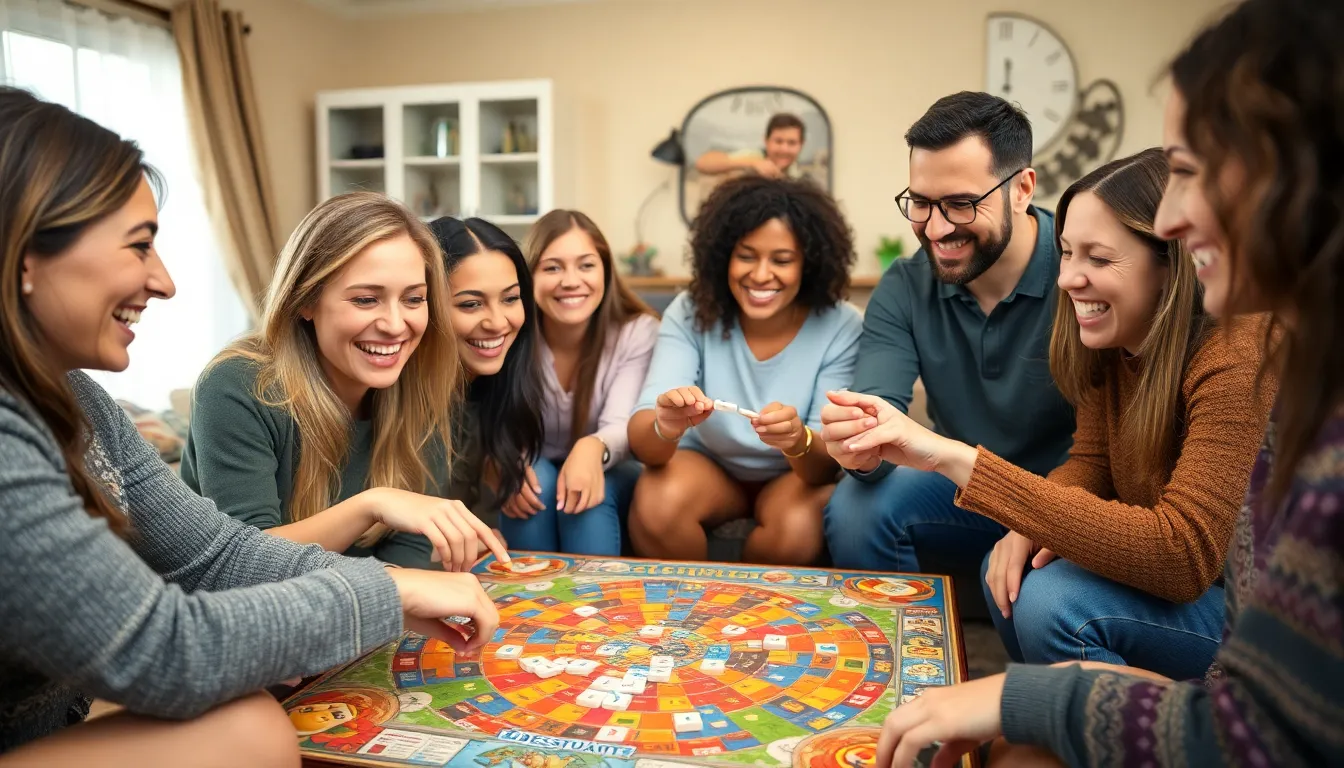
Social interaction plays a key role in tile flipping games. These games often promote collaboration and competition among players, enhancing the overall experience. Groups can gather around a table, creating an engaging atmosphere filled with laughter and friendly rivalry.
Game formats can range from physical cards or boards to digital applications. Choices in platform amplifies versatility, allowing players to enjoy tile flipping in various settings, whether in person or online. Many developers design mobile versions that include additional features, expanding gameplay options.
Scoring systems commonly encourage repeated play, motivating players to improve their skills. Metrics such as time taken to complete a game or the number of successful matches matter significantly. Players frequently push their limits, leading to personal growth and enhanced cognitive abilities.
Tile flipping games thus blend entertainment with mental exercise, making them a popular choice for diverse audiences. Their balance of simplicity and strategic depth continues to attract both casual gamers and dedicated enthusiasts alike.
Popular Tile Flipping Game Titles
Tile flipping games captivate players with engaging mechanics and strategic depth. Here are notable examples of these games.
Game 1: Description and Features
“Memory” remains a cornerstone in tile flipping games. The objective involves matching pairs of tiles by flipping them over, which challenges players’ memory and concentration. Different versions introduce variations such as unique themes or increased tile counts, escalating difficulty. Players take turns flipping two tiles at once, aiming for a match. Skill and memory sharpness become crucial as the game progresses. Typically designed for 2 to 8 players, this game provides a fun and competitive atmosphere.
Game 2: Description and Features
“Concentration” showcases a competitive twist on memory gameplay. In this game, a grid of face-down cards hides pairs waiting to be discovered. Players flip cards to find matching pairs while relying on recall skills. The mechanics encourage quick thinking, as the game can shift rapidly with each player’s turn. Variants include themed cards, enhancing the visual appeal. Group sizes can vary; it accommodates as few as two or as many as twelve players. This game’s accessible rules make it suitable for families and gatherings.
Game 3: Description and Features
“Flip & Match” introduces a modern take on traditional tile flipping. Players flip over tiles to reveal symbols, racing against the clock or each other to find matches. This version often includes timers and scoring systems to intensify competition. Unique graphics and varied themes keep players engaged, encouraging repeated play. Playable online or offline, it suits players aged 6 and up.
These games exemplify the fun and cognitive benefits of tile flipping, making them favorites among players of all ages.
Benefits of Playing Tile Flipping Games
Tile flipping games offer numerous benefits for players of all ages. Cognitive skills improve significantly through challenging gameplay. Strategic thinking emerges as players plan their moves carefully. Memory retention strengthens with each round, requiring individuals to recall tile positions.
Engaging social interactions occur throughout the game. Encouraging collaboration enhances player bonds. Competition among friends or family adds a fun twist, creating an environment filled with laughter and excitement. The simplicity of the mechanics attracts new players, while mastering the game appeals to veterans.
Variety in formats caters to diverse preferences. Physical card games bring people together in social settings, while digital apps facilitate play across distances. This versatility ensures tile flipping games remain relevant and accessible in today’s fast-paced world.
Personal growth also arises from repeated play. Scoring systems motivate players to set and achieve new goals. Pushing one’s limits leads to improved skills, fostering a sense of accomplishment. Upon mastering these games, individuals may notice increased self-confidence and a desire to tackle more complex challenges in the future.
Lastly, enhanced focus and concentration lend themselves well to academic or professional pursuits. Skills developed through tile flipping can translate into various real-life situations. By engaging with these games, players not only experience fun but also cultivate essential cognitive abilities that benefit them beyond the gaming table.
Strategies for Success in Tile Flipping Games
Success in tile flipping games requires both strategic thinking and practice. Players can enhance their skills and enjoyment through effective strategies.
Tips for Beginners
Start by focusing on the tile patterns in front of them. Observing the board can reveal common matches. Use a systematic approach when flipping tiles, such as picking adjacent tiles first. This method maximizes memory recall, aiding in recognizing paired tiles quickly. Practice regularly to improve concentration and reaction times. With continuous play, players find increased familiarity with tile positions. Remaining patient during matches promotes calm decision-making. Ultimately, beginners who embrace these strategies often see significant progress.
Advanced Techniques
Advanced players capitalize on memory retention techniques. Employing mnemonic devices can make recalling tile positions easier. Utilizing spatial awareness techniques allows players to visualize the board effectively. Players might also experiment with different patterns, analyzing opponents’ moves for strategic advantages. Keeping track of previously flipped tiles enhances gameplay understanding. Using psychological tactics, like bluffing or creating distractions, can throw off competitors’ focus. Adapting strategies as the game progresses ensures flexibility and responsiveness. Players embracing these advanced methods often dominate tile flipping games and increase their winning percentages.
Tile flipping games offer a unique blend of fun and mental stimulation. They not only engage players in strategic thinking but also foster social connections through friendly competition. The diverse formats and accessible mechanics make these games suitable for everyone, from casual players to seasoned strategists.
As players dive into these games, they experience a satisfying mix of challenge and enjoyment. The skills developed through tile flipping can lead to improvements in memory and concentration that extend beyond the gaming table. With their growing popularity, there’s never been a better time to join the tile flipping phenomenon and discover the excitement waiting within each flip.